Dear colleagues,
The event this week that stands out for me was welcoming Leora Cruddas to WeST. Leora is one of the most respected voices in education in this country, and she chose to spend her day with us at headquarters and across three of our schools. I wanted her to see something specific about how we work, because there is a persistent idea that trusts are cookie-cutter operations where the centre insists on this and demands that. The truth of us is close to the opposite. Beyond the compliance basics that any organisation must have in place, we insist on very little.
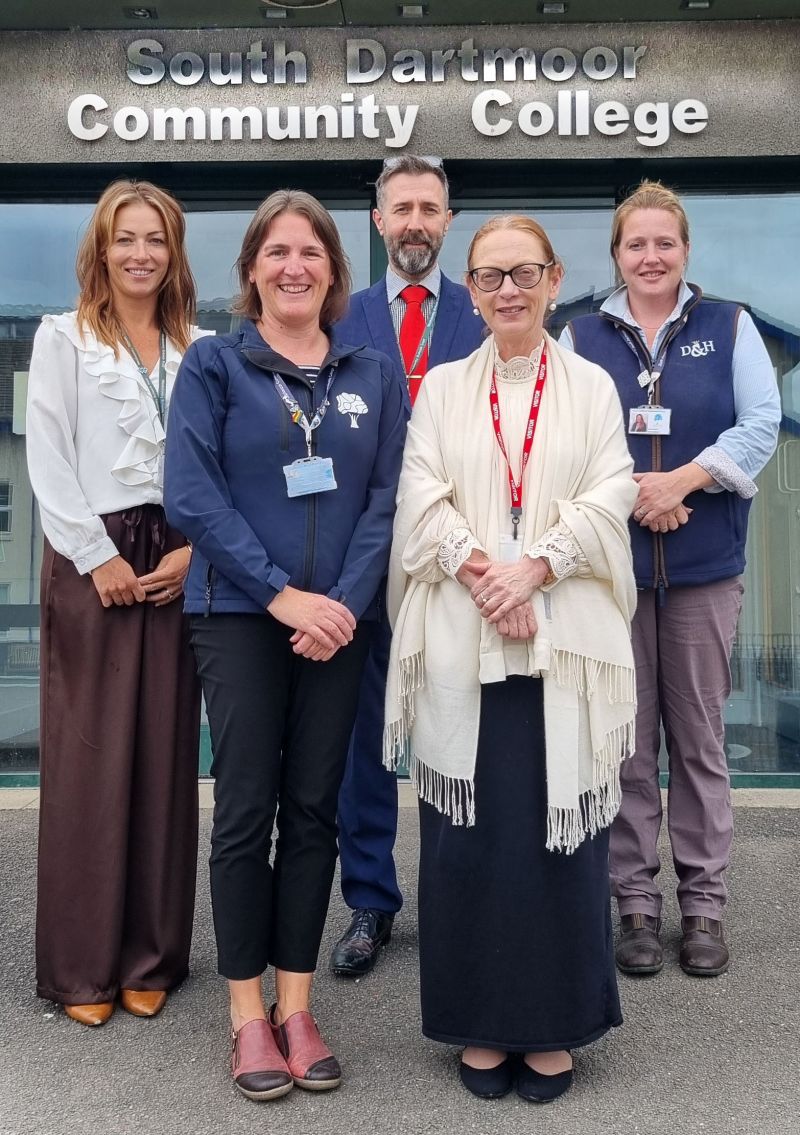 Our schools are deliberately different from one another. That is not an accident or a loose end we haven't tidied up. It is the point. Each school serves its own children and families in the way that suits that community, and if we have an identity at all, it is that we are branches on the same tree, sharing values and aims while going about the work in our own ways. Leora saw that at Morley Meadow, Ivybridge Community College and South Dartmoor. The children who met her clearly enjoyed her company, and I was grateful she spent the time. Our approach really is simple: do a few things well, let heads run schools, keep teaching the main thing, and do everything we can to help teachers be excellent for children.
I was also able to share this week that, on some measures, our students are among the highest performing of any trust in the South West, and particularly so for disadvantaged pupils. We've now had three years of a rising profile for disadvantaged students and for those with SEND. I'm told fairly often that we should shout about this more, and I understand why, but I hold back. It isn't about accolades or league table positions. The best measure of how well we look after young people is how well they thrive with us, and results, when you read them properly, tell you something honest about how a school has done with its core work, which is learning.
Some of my week sat alongside our involvement in the Department for Education's Key Stage 3 regional steering group, preparing for a conference later this month. The question we keep returning to is why we assess Years 7, 8 and 9 at all. If it is for the students, good. If it is to burnish a table, less so. Running through that is character, the second strand of our development plan. Qualifications get you through the door, but it's character that keeps you there. Civic responsibility, which Leora champions nationally, is the fourth strand, and it fits us well.
A personal event on Monday reminded me of the pull of families, and how much damage is done when someone is taken from one, especially with little warning. It's too easy to talk about 14,500 children and 2,500 staff as numbers. They are also 17,000 individual stories arriving in our schools and workplaces every day. That thought is daunting, but it also says something reassuring about how people manage to keep going, together, even when things are hard.
I've been thinking too about artificial intelligence, mostly because it's hard to avoid at the moment. The current worry rhymes with older ones, about machines replacing manual work, or calculators ruining children's maths. AI isn't good or bad in itself. It could help solve some of the diseases and problems that have defeated us for generations, or it could go badly. Which way it goes will eventually be decided by the young people we teach, not by us, and that puts an obligation on us both to govern these things carefully and to give our students proper exposure so they can make sensible decisions later. I remain cautiously optimistic, headlines notwithstanding.
Around our schools, the new year has settled in nicely. Buckfastleigh Primary welcomed back children and families, with an extra word for those just joining, and at St Breward the nursery children have come back with big smiles and slotted straight into their routines. It's the everyday stuff that tells you most about a school's culture.
There's plenty of ambition on show too. Callington's Year 9 student Ailla completed a 25.5km hike across Dartmoor for her Hike For Heroes, raising £350 and counting, which the guides rightly said was no small thing. At Plymstock, drama students from Silver Arts, GCSE and A level classes went behind the curtain at a technical theatre careers event, a useful reminder that the arts open doors to careers people don't always see, with Plymstock's Got Talent to look forward to next month.
At Yealmpton there was warm news of baby Thomas Collins arriving safely, congratulations to the Collins family, alongside plans to widen performing arts opportunities so more children across Years 3 to 6 get their moment on stage, and gardening sessions beginning in the new outdoor space.
I'd also point colleagues towards Stowford's pastoral letter, which sets out clearly the support available to families through Mrs Crooks and the wider team, from Early Help to the expanded free school meals entitlement. It's a good example of a school being genuinely useful to its community, which is exactly the civic work Leora and I were discussing.
Next week we're preparing alongside a couple of schools for inspection. Accountability is a fair part of spending public money and working with children, so we won't walk in unprepared, but mostly we'll take the chance to show inspectors how proud we are of schools that put children first.
Thank you, as ever, for the work you do.
Warm regards,
Nat Parnell
CEO