The Weekly Whistle
As half term settles in, I find myself in that slightly unusual position of having a moment to pause and think, which is both welcome and faintly disorienting after the pace of the last few weeks. This marks the end of my first half term as CEO, and while I'm wary of making too much of milestones, it does feel like a natural point to take stock.
A Term of Outcomes to be Proud Of
Before the break, some genuinely significant news landed. Ivybridge Community College's validated data confirms that their students are the highest-performing non-selective GCSE cohort in Devon, with 71.6% achieving grade 5 or above in both English and maths. That is a remarkable achievement, and one that belongs squarely to the staff and students who worked for it. Equally striking is that their disadvantaged students performed strongly too, which matters enormously.
Meanwhile, Coombe Dean received a letter from the Secretary of State for Education recognising exceptional outcomes for disadvantaged pupils, and their validated Post-16 results make them the top-performing school in Plymouth for student progress at that stage. These aren't just numbers on a spreadsheet. Behind each data point is a young person whose options have widened because of what happened in a classroom. I don't think we should be shy about acknowledging that.
Schools as Anchor Institutions
One of the things I've been reflecting on this term is the role our schools play in their communities, and how deliberately we should lean into that. As part of our developing five-year plan, we've committed to civic responsibility as a strategic pillar, rooted in the idea that every school and cluster should function as an anchor institution in its community. When I look at what's happening across the Trust, it's clear this isn't starting from scratch. It's already there, often in quiet ways.
Manor Primary winning the Tesco Stronger Starts competition is a lovely example. That £1,500 to fund a new sensory room didn't arrive by accident. It came because the Manor community rallied behind the school. The Friends of Morley Meadow are heading into half term having already delivered a busy programme this year and planning more ahead. At St Teath, the end-of-term disco saw families turning out in heavy rain because that's what you do for your school. These moments matter. They build the kind of trust and connection between families and schools that we will need as we face some significant changes ahead, not least around SEND provision and the upcoming White Paper.
I want to take this opportunity to genuinely thank the parent-teacher associations, friends groups, and community volunteers across WeST. That work is done from the heart. It doesn't just secure new equipment or fund valuable projects; it keeps open the channels of communication that make schools feel like they belong to the community, and the community to the school. As we establish our new WeST Community Councils and reinvigorate local governance, these relationships will be foundational.
Half Term Doesn't Mean Standing Still
What struck me reading through this week's news is how much continues to happen even as term ends. Callington's students are in New York, exploring the city from the Empire State Building to Brooklyn Bridge, taking in a Broadway show and the 9/11 memorial. That combination of cultural enrichment and historical awareness is exactly the kind of experience that stays with young people long after the trip is over.
Across the Trust
At Coombe Dean, Year 12 Reading Ambassadors have been paired with Year 7 students for regular reading sessions, building fluency and confidence but also something harder to measure: the sense that an older student thinks reading with you is worth their time. Sixth formers there have also been sharing powerful reflections from their visit to Auschwitz-Birkenau, demonstrating a level of maturity and compassion that I find genuinely moving.
Year 9 students at Coombe Dean visited the University of Plymouth for a Science and Engineering Showcase, getting hands-on with robotics, virtual reality, and plant science. At South Dartmoor, the Year 7 High Performing Academy in Creative Arts has begun, with students creating expressive collages inspired by Dartmoor itself, working with local artists and planning towards a gallery exhibition. There is something fitting about young people drawing creative inspiration from the landscape right outside their door.
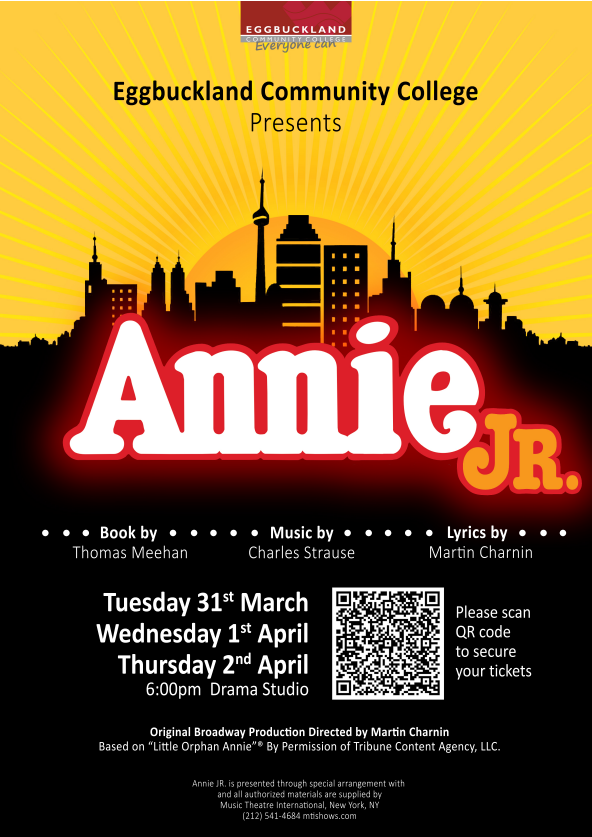
Plymstock has been busy too. National Apprenticeship Week brought the British Army and CTSW Skills into the school to talk with students and parents about post-16 pathways, and drama performances at both GCSE and A Level are coming up after the break. Their library marked Valentine's Day with displays and activities, and I was pleased to see Charlie S in Year 9 recognised for a thoughtful piece of Religious Studies work exploring freedom of belief. Eggbuckland's mock exam season has wrapped up, with both Year 10 and Year 11 students conducting themselves impressively, and World Book Day preparations are already building.
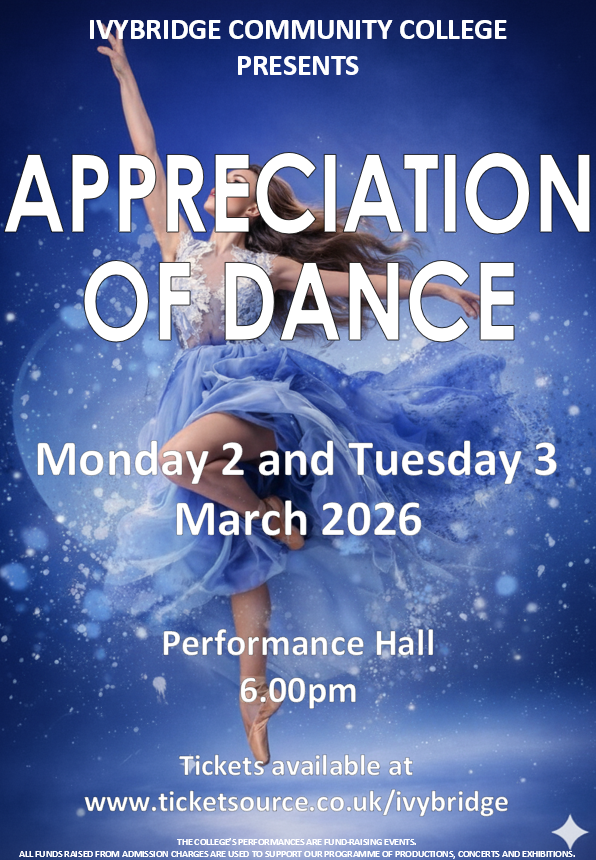
Ivybridge's Ten Tors teams are pressing on with training despite some genuinely testing conditions on the moor, and their Appreciation of Dance Show is coming up in early March, featuring students alongside visiting schools. Across the primaries, Oreston celebrated their certificate winners before the break, Boringdon published their latest newsletter, and Woodford's PTFA is already planning ahead for their Summer Fayre raffle.
Artificial Intelligence: Thinking Carefully, Moving Purposefully
Something that has occupied a good deal of senior leadership time this term, and particularly this past week, is artificial intelligence. We've been working together as a team to shape a responsible approach to the opportunities AI presents, while being honest about the risks. The pace of development is extraordinary, and if we're not deliberate in how we respond, it will overtake us.
Rob Haring, our former CEO, offered an analogy that has stuck with me. He likened AI to the arrival of digital music. CDs and streaming are useful and convenient, but they don't quite replace putting on a record and spending quality time listening to an album. Both have their place, but they do different things. AI will never replace people. It is fast and capable, but it cannot pick up that someone is upset from the way they phrase a question. An AI system might have every HR policy at its fingertips, but it won't notice the tremor in someone's voice the way our staff do.
Our intention is clear: we want to bring our infrastructure up to speed, train our workforce properly, and eventually put safe, well-designed tools into the hands of teachers, support staff, and, when we can do so responsibly, students. Part of our civic responsibility, I think, is ensuring that the young people and families in our communities understand this technology and are equipped to navigate it. To step back from that would be to abdicate something important.
I don't pretend we have all the answers yet. This is genuinely new territory, and some of the thinking is still forming. But I'd rather we were leaning into it thoughtfully than waiting for someone else to decide for us.
Looking Ahead
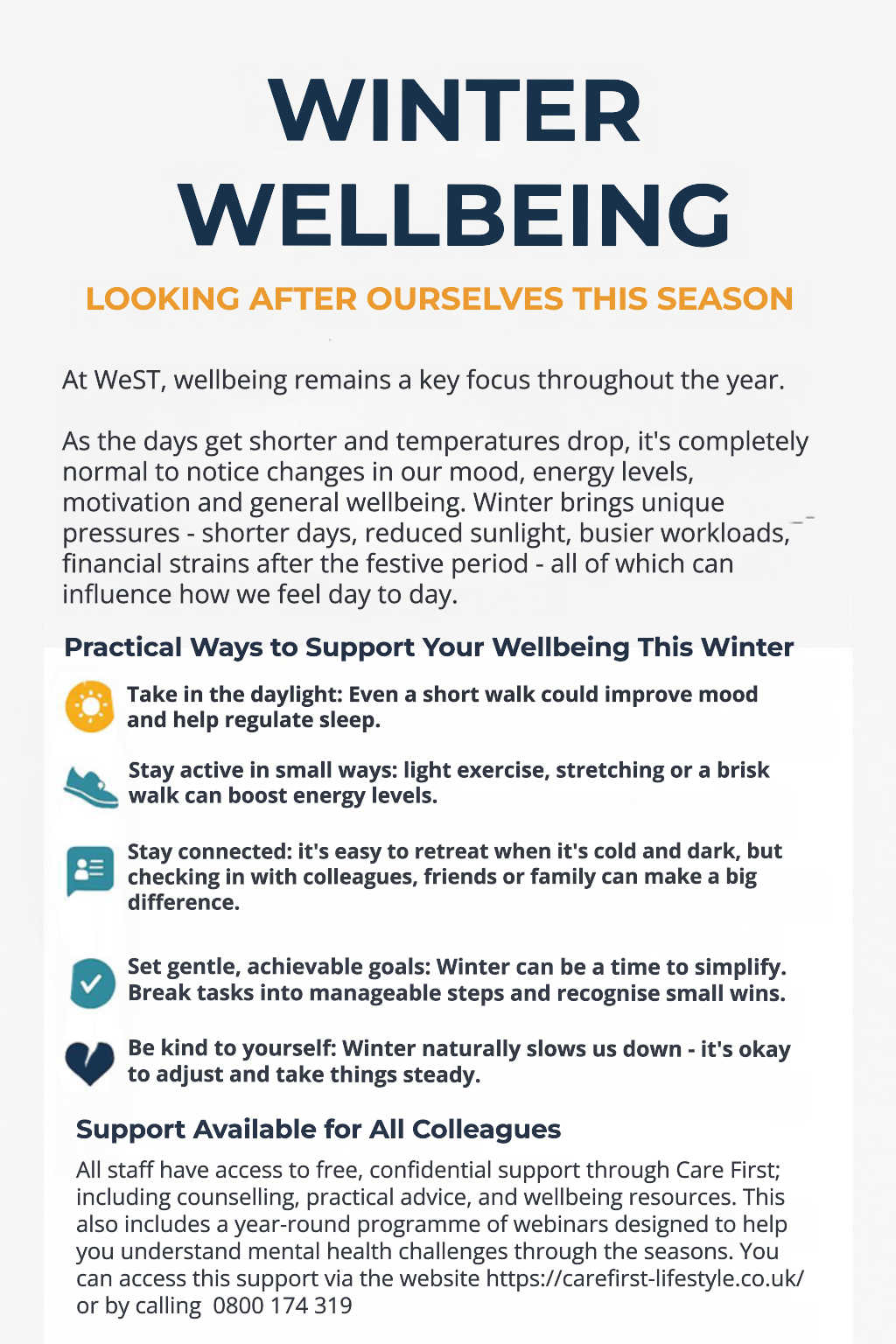
Eggbuckland's safeguarding bulletin reminded families of support available over the break, and Hele's published similar guidance. Safeguarding doesn't pause for half term, and it's reassuring to see schools communicating that clearly to parents.
As we head back after the break, I'll be paying attention to how the energy of this first term carries into the spring. There is a lot to build on: strong outcomes, deepening community connections, a development plan taking shape around values that feel genuinely right for who we are. I'm also conscious that this is the point in the year when workload can quietly accumulate, and I want us to be honest with each other about that.
Thank you for everything you've given this term. It has been a privilege to spend it alongside you.
Warm regards,
Nat Parnell, CEO